

Parent Coaching and PCIT in California
PCIT is live parent coaching for children ages 2 to 7, and it works on tantrums, aggression, and defiance where general parenting advice does not.
It is 6:40 p.m., and You Are Hiding in the Pantry.
It’s 5:40 p.m. and you’re hiding in the pantry for a second.
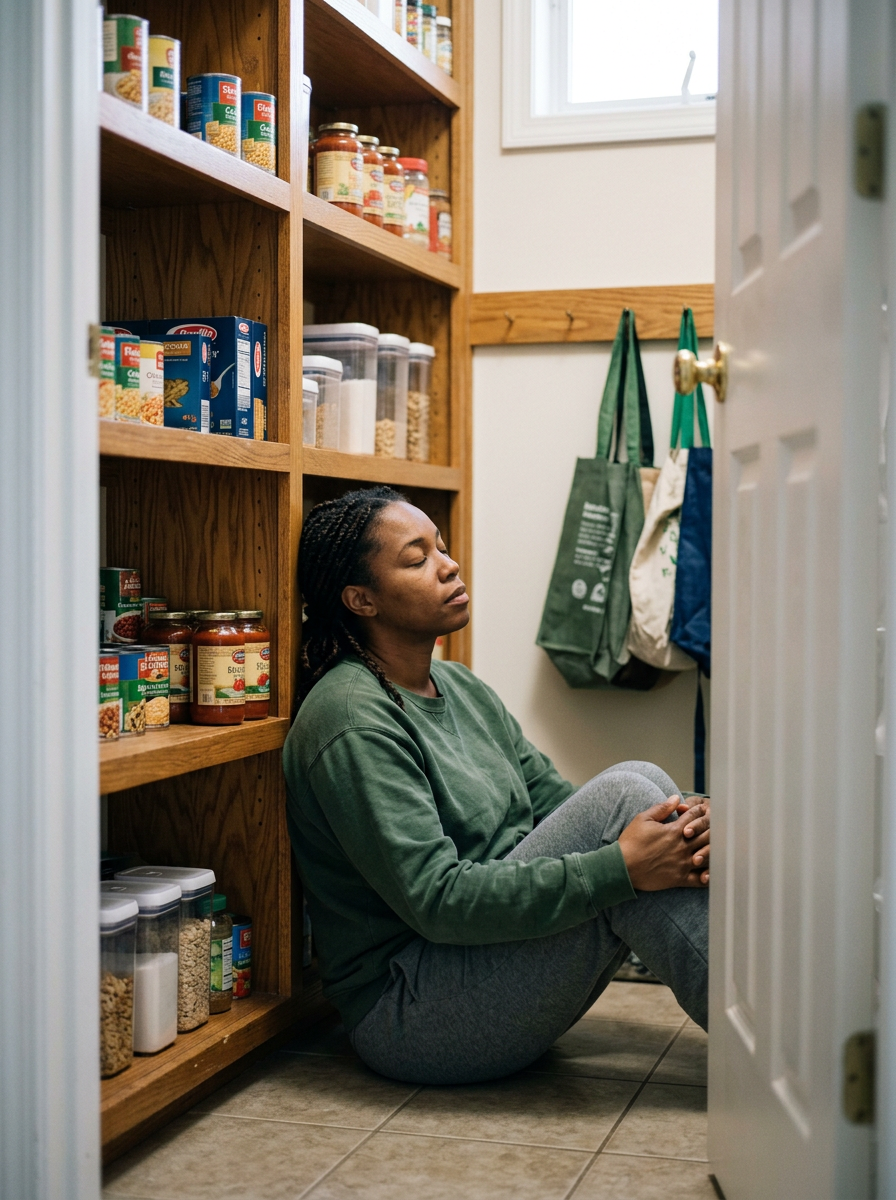
Dinner is going. Someone is screaming about the wrong colored cup. You have already tried the calm voice, the countdown, the choice between two options, and the thing the book said about getting down on their level. None of it is working and you can feel yourself about to become a parent you don’t want to be.
If your preschooler is having daily meltdowns, hitting, refusing everything, or getting sent home from school, you are not failing at this. Young children with big behaviors are not a parenting failure and they are not a character problem in your child. They are a specific, well-studied issue with a treatment that has decades of evidence behind it.
What we help with
Tantrums that are frequent, long, or intense enough to be organizing your day around avoiding them.
Aggression. Hitting, biting, throwing, at home or at school. Defiance and noncompliance, where every instruction becomes a negotiation and every transition becomes a battle.
Difficulty with emotional regulation, meaning a child who goes from zero to complete meltdown with nothing in between. Behavior that is causing problems at preschool or daycare, including calls home and the conversation nobody wants to have with a director.
Separation anxiety, ADHD, and anxiety in young children.
And the part that often goes unsaid: the toll all of this is taking on you. Parents arrive at this work exhausted, discouraged, and quietly worried that they have already damaged something.
What actually helps: PCIT
We use Parent-Child Interaction Therapy, or PCIT. It’s one of the most rigorously studied treatments available for challenging behavior in children ages two to seven.
Here is what makes it different from most things you have tried.
It isn’t you sitting in a room describing your child’s behavior to a therapist. It isn’t your child going into a play session alone while you wait outside and get a summary at the end.
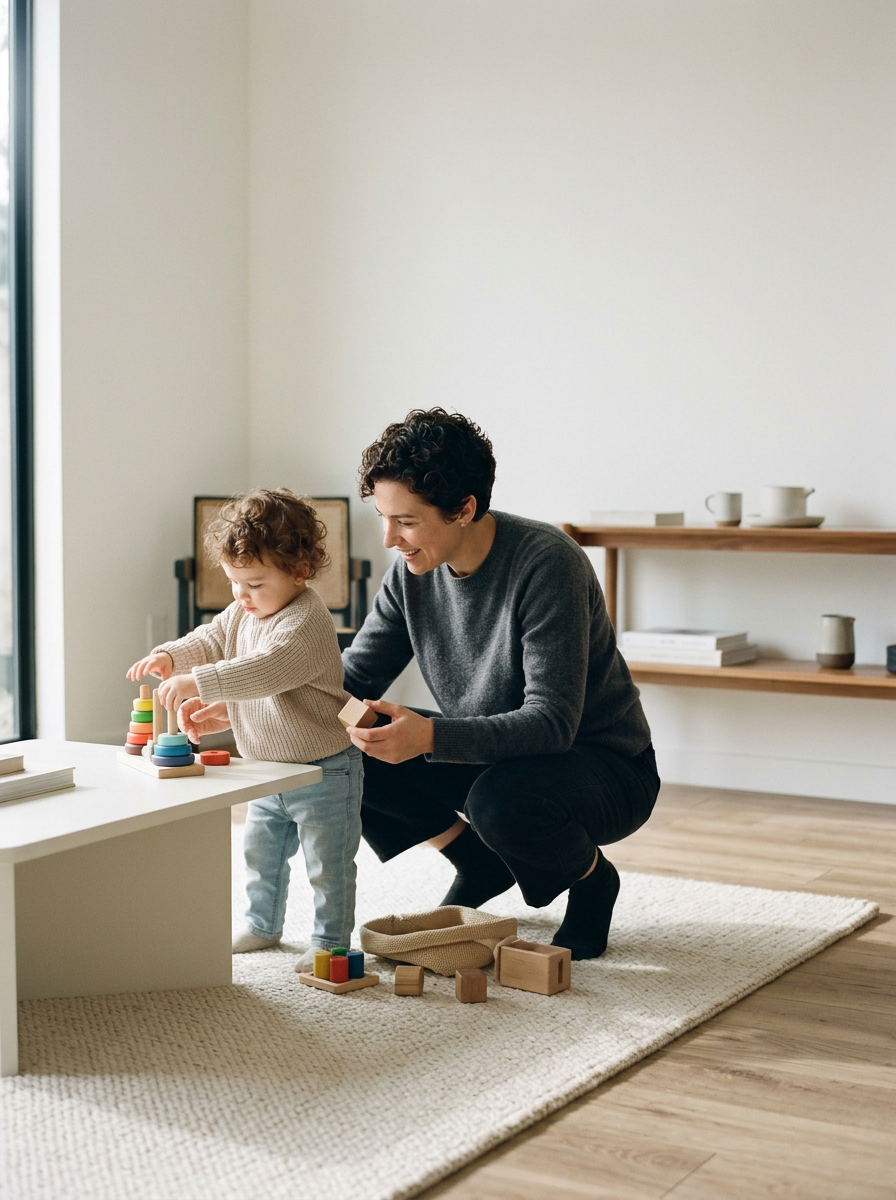
It’s live coaching. You and your child play together while your therapist watches and coaches you in real time through an earpiece. She tells you what to say, when to say it, and when to hold steady, in the actual moment the behavior is happening.
That structure is the entire point. Reading about a strategy and using it while your child is screaming are completely different skills. The first one is easy and the second one is the one that changes anything, and it only gets built through repetition with someone coaching you until it becomes automatic.

How the treatment is structured
PCIT runs in two phases, and the order is deliberate.
The first phase builds the relationship. This sounds soft and it is not. A child who feels genuinely connected to you is a child who is easier to direct, and skipping this step is why a lot of discipline strategies stop working after two weeks. You learn a specific set of interaction skills and you practice them daily in short sessions at home.
The second phase addresses compliance. You learn a consistent, predictable sequence for handling defiance that does not require you to escalate, negotiate, or lose your temper to get a result. Consistency is what does the work here, and consistency is much easier when you know exactly what comes next.
Throughout, progress is tracked with real measurement rather than impressions. You will know whether it is working and you will not have to guess.

What families can expect
Measurable improvement in behavior. Fewer tantrums, shorter ones, more cooperation with instructions.
Parents who feel confident rather than braced for the next incident.
And the thing parents tend to mention afterward, which is not on any outcome measure: they enjoy their kid again. The evenings stop being something to survive.
Most families complete treatment in roughly twelve to twenty sessions, though it varies with what is going on.
A note for parents in demanding careers
Part of this practice is built around high-achieving professionals, and their families are a large part of who we see here.
There’s something specific about this group worth naming. Parents who are exceptionally competent everywhere else often take a difficult child harder than other parents do. You’re used to being effective. You’re used to problems yielding to effort, preparation, and intelligence. And then you have a four-year-old who is completely unimpressed by all of it, and the distance between how capable you feel at work and how helpless you feel at 5:40 p.m. is genuinely painful.
That gap isn’t evidence about you as a parent. Early childhood behavior is developmental and temperamental, and it responds to specific skills rather than to being a better or smarter person.
Practical details
All sessions are virtual, delivered live across California.
Ages two to seven.
Sessions available in English and Spanish.
Free 15-minute consultation call so you can describe what is happening and see whether this is the right fit before committing to anything.
Frequently Asked Questions
-
Yes, and the research on remote delivery is strong. In some ways it works better. Your therapist is coaching you in your actual home, with your actual kitchen and your actual bedtime routine, rather than in an office that looks nothing like the place where the behavior happens.
-
Two through seven. PCIT is built specifically for this developmental window, which is a large part of why it works as well as it does. If your child is older, reach out anyway and we will point you toward something appropriate.
-
No. Most families come in because life at home has become hard, not because anyone has diagnosed anything.
-
It’s extremely common and it’s one of the things parents feel worst about. Children often hold themselves together in structured settings and release everything with the person they feel safest with. It’s exhausting, and it isn’t a sign that you’re doing something wrong. If anything it says something about how safe you are.
-
Usually twelve to twenty sessions. Progress is measured throughout, so you will have a clear picture rather than a hopeful guess.
-
No. Parenting classes teach principles to a room. This is individualized coaching with your child, in your home, on your specific problems, with a clinician watching what is actually happening between you.
-
Yes. Any family in California with a child in this age range is welcome to reach out.